MADCAP UNIVERSITY
PUPPY CULTURE
MADCAP RADIO
  MADCAP RADIO
  • Home
  • Puppy Culture Potluck Podcast
  • Other Podcasts
  • About Madcap Radio
    • Our Founder, Jane
Picture

Puppy Culture Potluck Series

You bring the topics, we bring the discussion.
No time to read our Puppy Culture Discussion group every day? No problem! Now you can get highlights of the discussion group in podcast format.
I’m going to be grabbing questions from the discussion group that sparked interesting discussion and talk about them on air.
Who knows, some guests may drop in as well…

Episode 17 - Puppy Contracts: Are They Worth the Paper They're Written On?

5/1/2024

0 Comments

 
Picture
This week’s question is about Breeder-Puppy Buyer contracts:

"Our puppies are 7 weeks old now and will be going to their new families in 3 weeks. I have been following along each day and this experience with the puppies has been incredible. Thank you for "holding my hand" throughout.

We are getting to the part that I just feel I am not prepared or knowledgeable enough....THE CONTRACT. I, too, want to keep it simple.....feed healthy, train in a positive way, and bring back the puppy if something changes.

​Would you be able to share an example or a template perhaps? I would appreciate any assistance you can provide."
Episode highlights:
  • How to decide what should be in your contract, and what should be in your puppy application
  • How to screen out some puppy buyers who would not comply with the terms of your contract
  • Why having a written contract is important
​Listen wherever you get your podcasts, and subscribe so you never miss an episode!
PodBean Apple podcasts Spotify Google podcasts iheart Amazon Music
TuneIn playerFM listen notes samsung podchaser
To read the transcript for this episode, click the link below.
EPISODE 17 - TRANSCRIPT
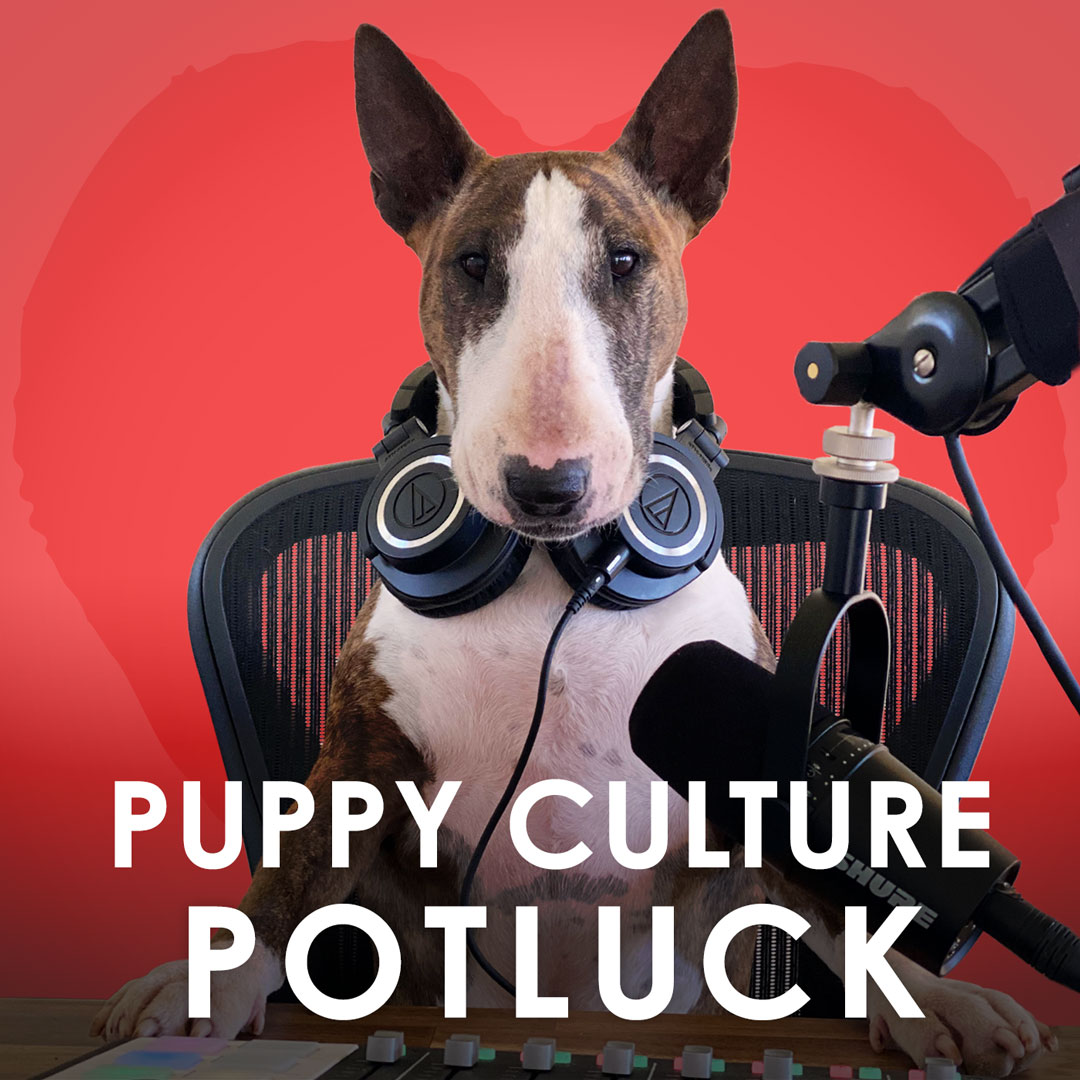
I'm Jane Messineo Lindquist, and this is a Puppy Culture potluck podcast. You bring the topics, we bring the conversation.

Today's question came in through our our Newborn to New Home discussion group. That's the discussion group for our breeder course. And the question is about contracts. So let me read it to you.

Thank you for holding my hand throughout. We're getting ready. We're getting to the part where I just feel I'm not prepared or knowledgeable enough. The contract I too want to keep is simple; feed healthy, trained in a positive way, and bring the puppy back if something changes. Would you be able to share an example or template perhaps? I would appreciate any assistance you can provide.

Okay, so I'm going to give you some thoughts on contracts. Let me say I do provide a sample contract in the breeder course, but I think that this question comes up again and again and we need to talk about a methodology and approach for determining what's important to you to have in a contract.

Now, before we jump into that, a contract is a binding legal document between you and a puppy owner.

I am not an attorney. This is not legal advice. If you are going to have a contract with your property buyers, it is imperative that you have that contract reviewed by an attorney. It's a binding legal document that you should not enter into lightly, and it's worth your time and money to have an attorney take a look at your contract.

Okay. That out of the way. This question comes up a lot in our groups and other groups contracts. It's people always want to know. And I get it. It helps to have a template, at least to get started with. But the thing is that I think a lot of people conflate things that really should probably be in your puppy application with things in the contract.

Let me explain this. When I am thinking about a contract and a puppy application and I'm going to sit down and I recommend everyone do this and make a list of everything that you want from your puppy owner, everything. So just list it all down, everything that you want them to do. Feed raw diet, attend positive puppy class, get the canine good citizen for the puppy.

Finish their championship. Don't have them outside, outside of a unfenced enclosure. Don't ever use a shock choke or pinch collar on it. So you list all this and you, you don't worry about sorting it. You just list everything. Then once you've got all those bullet points, all those things that you want, you go down and highlight the ones that are deal breakers for you, the ones that if they're not complied with, you would never place a puppy in that home.

Those are the things that are going to be going into your contract. Those deal breaker things. Then the other things that you’d like, but there's wiggle room. Those go into your puppy application. Okay. Those are screening questions. They're not things that you're going to. They're not hills you're going to die on in your contract. So let me give you a few examples now.

And let me say before I throw this out here, that these are not, how shall I say, advisory. Like, I'm not advising you that these should be your things that you value this way. I think it can be very different, but this is me. Okay. So, for instance, how how the puppy is fed that's in the would like column, how the puppy is contained is in the must have.

Okay. I will never place a puppy in a shock fence situation. So will not ever be in a shark fence enclosure goes right into the contract. That is something that I want them to sign on the dotted line with. But how they feed the dog? I'm going to ask in the puppy application, we give a dropdown menu in our puppy application, where they can say... we say, “Are you willing to feed a raw diet?”

And they can say yes, no or not sure, we would like to learn more. So it gives us just a feeling for who they are.

Now, I also do put the must haves into the puppy application, but I make it clear in the puppy application that they're going to be deal breakers. So again, with the invisible fencing or shock fencing, we state what kind of fencing do you have?

Enclose or attach images of your fencing. And then I say, note we will not place a puppy in an invisible fence or shock fence enclosure. So even in your puppy application, you're sort of priming and screening for the contract so that when you get to the point where you're signing a contract or it's puppy pick up day, there's no ugly surprises.

And you're much more likely to have buy in. Because if people you know, at the first point of contact, if you're if you're putting it out there exactly where you stand on all these things, people are very likely to walk if they're not on the same page as you, which is what you want. I mean, you're looking for your puppy buyers, right?

You're not looking for somebody else's puppy buyers. There's going to be somebody else who agrees with whatever things you don't agree with. If you get it all out in the front, you're doing some screening for yourself. A lot of people are going to self screen and not even fill out your application. But if you don't get that stuff into your application, right, and then the day of pickup, they come and they have to sign a contract that they're not going to use a shock fence on their puppy.

You know, the chances of them just saying, well, to heck with this, I'll just lie. I hate to say it, it goes way up. So the application is sort of the pre contract screening. Right. So so it's very important that you you mesh these two documents together and it begins with you making this list of would likes and must haves.

So throwing out a few ideas for things that are must haves. For us, the training style is a must have that we will not place a puppy in a home that does not use positive reinforcement training. We will not place a puppy in a home that uses choke shock or pinch collars. It is very important to us that that puppy be returned to us.

If there's any problem, if for any reason that puppy cannot be kept by the family, that their puppy comes back to us. We specify vaccine protocols. The other thing that is extremely important and again, this is something you have to consult an attorney with to make sure that it sticks and it's binding and it's worded correctly, is liquidated damages.

We want to limit our exposure in this transaction to the cost of the purchase price of the puppy. Right now, in most states, I do believe dogs are considered property, so chances are you are limited to that amount, whatever the people paid for the puppy. But you know, things could change. And I think a strong liquidated damages clause that has been reviewed by attorney and will stick is very important to you as a breeder for your protection.

We do specify what happens under what circumstances if something goes wrong with the puppy. So if it is a known genetic disorder and we specify what those known genetic disorders are and something goes wrong with one of those things, we offer to take the puppy back and refund the purchase price or allow them to keep the puppy and we will refund the purchase price.

Now, in our would likes, we've already given the example of how they feed the dog and some other things are, what activities do they plan on doing with the dog? We would always, of course, prefer to place in a home where the dog is going to be active in dog sports and doing all kinds of activities. But you know, sometimes there can be good homes that are just literally pet homes, like the dogs just going to be at home on a couch with with owners and for the right dog.

Sometimes that can be the right thing. But again, this is not something I'm not going to require them to put titles on the dog. Not for a bull terrier. Okay. If you have a border collie, it could be a different story. So this is where the must haves and the would likes start, you know, they become very personal.

That's what I'm trying to get, get you to wrap your head around, is start, get it, get your juices flowing about. Well, what's really a deal breaker for you? What's really important and what are things that you would just like?

Another thing is fencing. You know, my bull terriers, bull terriers in general. They need a true physical fence.

Ethics aside, okay, shock fencing is too dangerous with them. They could. They could break through. They have strong drive and a high pain tolerance. It's it's just not on the table for me. So our contract specifies that they will never be off leash outside a fully fenced, physically fenced enclosure. Obviously, exceptions for things like agility trials or if you're doing obedience.

But even then there is a fence. It's not just like the dog just running at large. I've made exceptions to this, of course, for dogs that live in the city that people don't have a fence. I mean, they're not off leash. They're always on leash. But if you have like a Leonberger or really obedient dog, I mean, maybe that's not as big a deal as it is for a bull terrier.

So, again, very personal. And you really have to know what your mind is. What you’re looking for in a puppy home.

Okay. So now you've gone through this exercise and you have all your must haves. And at this point, yes, you can start looking at other people's contracts and sort of roughing out a draft of what what you need in there.

And then at that point, that's when you take it to an attorney and have them look at it and advise you. Okay. So that's your methodology for how you figure out what should be in your contract.

Let's talk about why you should have a contract at all, because every time this topic comes up, somebody chimes in. Well, you know, they're not enforceable.

No, no. Small claims court is going to enforce that clause or they're not going to and blah, blah, blah. And, you know, all I can say is that contracts, if you've done your screening correctly, as we talked about, really it represents a meeting of the minds. Okay. And that should be your primary purpose of your contract. I think at the point where the puppy owner is not complying with the contract, I think enforceability, it's sort of like the cows left the barn.

I mean, you passed that point really with it because it truly, are you going to take back your puppy because you put it in the contract that they can only be fed raw food and they're being fed kibble? I mean, are you really going to do that? Are you going to go repossess a puppy because they took the puppy to a trainer that used a choke collar on it?

I mean, probably not. You probably failed at the front end doing your due diligence and good screening, but, you know, enforceability is beside the point once you reach that space. So you may say, well, then what is the point if you're not really worried about enforceability? And I have two answers. One is certain things. I am worried about enforceability, and we'll talk about that.

But I would say even more importantly, again, if you don't have this in writing, you don't even really stand a chance of reaching an agreement. If you have reached an agreement in writing, there is going to be the person that just doesn't, isn't honoring the agreement. There's going to be the person that's going to dupe you. It's happened to me.

It's happened to every dog breeder I know, that people will sign a contract and then ghost you and do whatever they're going to do. It happens to the best of us. So you breed dogs long enough, it's going to happen to you. But the glass is half full here. Okay. With the contract, maybe one in 100 people might do that to you if you didn't have the contract, you'd probably have 50% of your puppy owners just not complying with what you want.

Because no matter how you think, you've made it clear in conversations with the puppy owner, chances are you have not. There's a lot of reasons for this.

Number one, literally sometimes you think you said something and you really didn't. I'm a person that is recorded and videoed for a living and I edit my own material and I'm often just shocked at how I thought I was saying something and I was saying exactly the opposite.

Couldn't what I meant to say could, shouldn't what I meant to say should or I say things out of order so that they don't make sense. Trust me, however clear it is in your head when your speaking, it's liable to come out not the way that you intended it to. That does not happen when you put it down on paper.

Number two, people will often hear something different than what you're saying. Perfect example of this. I did a seminar for a veterinary association and I was talking about socialization and how socialization is not just a party, it's not socialization as we think of it in the human sense. It's a term of art. It's a scientific term, not a party.

And on social media, I think I was even tagged in it. Somebody called out a quote from me at the seminar and said, How much you loved it, that I said, Socialization is art, not science. So what? Why did she say that? I don't know. Maybe she didn't know what term of art means. Maybe I didn't say what I thought I said, oh, but who knows? It just It's a perfect example, though, of how even if the words are very close, they can have very different meanings. And again, that that can't happen when you put it down in writing. Sort of adjacent to that is what they called the 7% rule. And what that means is that 7% of what you understand people to be saying is based on their actual words.

The other 93% is based on nonverbal cues, context, the appearance and gender of the person, the way they're dressed. Now, let me say the original study has since been, I would say not debunked, but extremely qualified. Okay. That study involved a person saying one word to test subjects and the test subjects extrapolating meaning out of that one word.

So obviously, in a real conversational setting, maybe all these nonverbal cues and contextual information is less important in determining actual meaning, but it has it has a seed of truth to it. Okay. That there is going to be some blurriness about meaning when you're having a conversation with somebody as opposed to having it in writing. Cultural differences also play a big part in spoken agreements.

As Americans, we are the plain dealers of language. We come by this honestly because we were the original melting pot country. We had no room for any ambiguity in our language because you had the Scottish railroad owner with the Irish manager running an Italian crew with Chinese laborers, and they all had to communicate seamlessly. There's no room for innuendo here, okay?

We had to come up with a version of English, which was clear, concise and got the point across with no ambiguity, no reading between the lines, because there were just too many cultures that were being put into the mix at once. Now you go to a culturally homogenous society. What you're going to find, the more culturally homogenous the society is, the less direct the languages the listener is expected to read between the lines and faulted if they don't.

So in many societies, it's considered somewhat crass to be straightforward and speak your mind. And people from those societies are not expecting you to be meaning what you say. They're expecting to read between the lines of what you're saying. So again, having it in writing in a contract, there is no nuance. You eliminate all of that.

And I will add too, I'm not talking about foreign born people necessarily. I mean, you could just can be from a culturally different background. Maybe their parents were from a different country. You don't know. All I'm saying is why bother? Why even go there when you can have it in writing? So to sum it all up, we want our contracts to be limited to those things that we really truly feel are deal breakers for us with our puppy owners.

We want it to be in writing. We want to have an attorney review it and make sure that they're enforceable. But at the end of the day, if it really comes down to that, the chances of you practically speaking, actually enforcing any of this, you're just you're probably not going to do it. So even though, again, I do encourage you to make sure that your contract is legally binding and a good legal document, the real purpose, the real heart of the contract between the puppy owner and the puppy breeder is a meeting of the minds getting on the same page.

You're not going to stop bad people from lying and not doing what you ask them to do. But you are going to make it possible for the good people to understand what you want and to comply with your wishes.

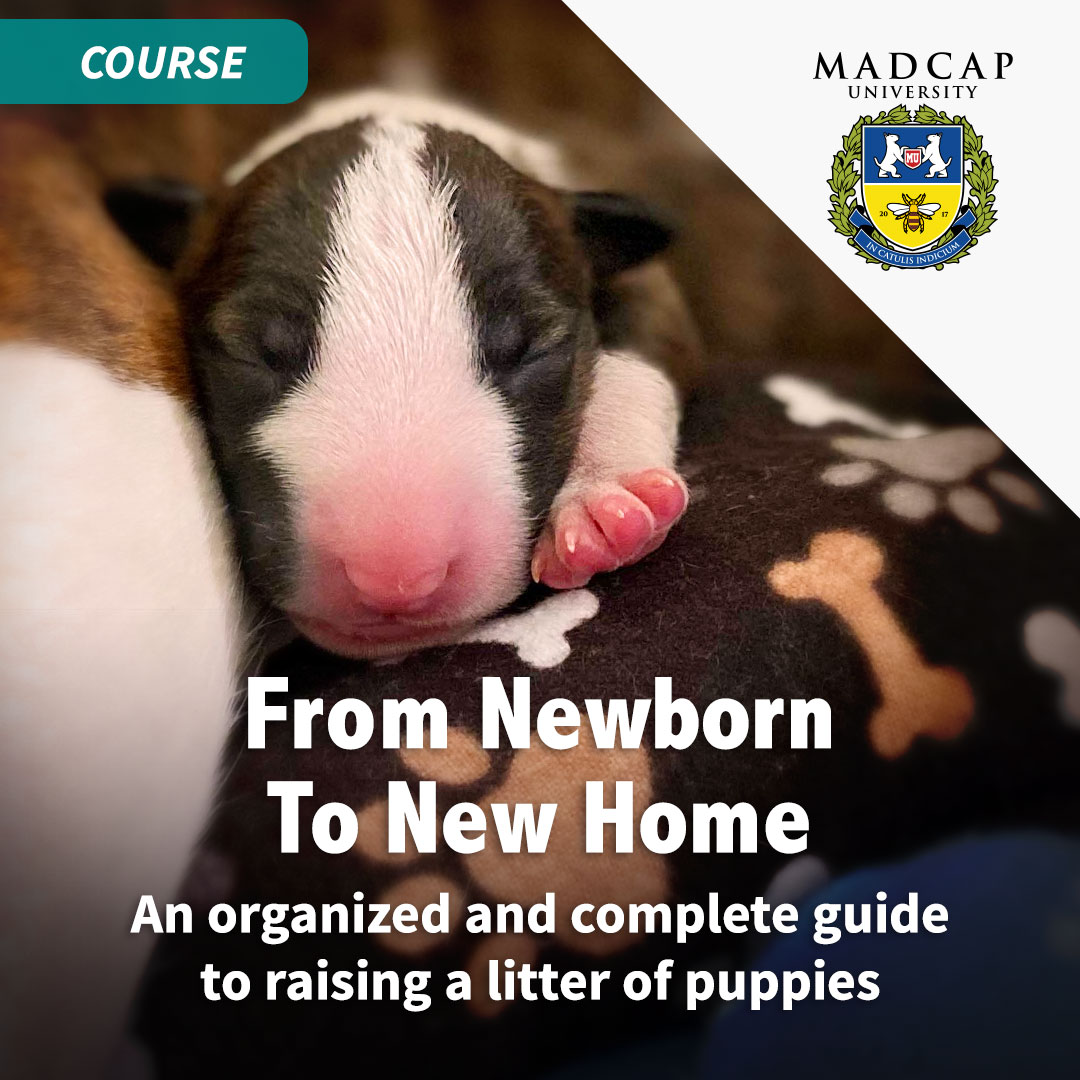
If you liked this podcast, you'll love our breeder course. From Newborn to New Home at madcapuniversity.com.

Puppy Owners, we have a course for you too at madcapuniversity.com With Open Arms and a Level Head: How to welcome a puppy into your life.

Well, that's it for this time. Thanks for listening. Bye bye.

​​​​​​​​​​Referenced Courses and Titles

Picture
ENROLL TODAY
Picture
BUY NOW
Picture
BUY NOW
Picture
BUY NOW
0 Comments

Your comment will be posted after it is approved.


Leave a Reply.

    Picture

    Author

    Jane Messineo Lindquist (Killion) is the director of "Puppy Culture the Powerful First Twelve Weeks That Can Shape Your Puppies' Future" as well as the author of "When Pigs Fly: Training Success With Impossible Dogs" and founder of Madcap University.

    Jane has had Bull Terriers since 1982 and she and her husband, Mark Lindquist, breed Bull Terriers under the Madcap kennel name.

    Her interests include dog shows, dog agility, gardening, and any cocktail that involves an infused simple syrup.

    Archives

    November 2025
    October 2025
    September 2025
    March 2025
    February 2025
    December 2024
    November 2024
    October 2024
    September 2024
    July 2024
    June 2024
    May 2024
    March 2024
    February 2024
    January 2024
    December 2023
    November 2023

    Categories

    All
    Puppy Culture Potluck Series

Picture

Quick Links

Privacy Policy
Cookie Policy
​Refunds and Returns
Terms of Service

Get In Touch

Keep Informed
Affiliate Partner Program
About Madcap Radio 

Madcap University Press
© Madcap University Press, LLC, All rights reserved.
Follow
Facebook Instagram Podcasts
Madcap University App
Madcap University App on Apple store Madcap App on Android store
  • Home
  • Puppy Culture Potluck Podcast
  • Other Podcasts
  • About Madcap Radio
    • Our Founder, Jane