MADCAP UNIVERSITY
PUPPY CULTURE
MADCAP RADIO
  MADCAP RADIO
  • Home
  • Puppy Culture Potluck Podcast
  • Other Podcasts
  • About Madcap Radio
    • Our Founder, Jane
Picture

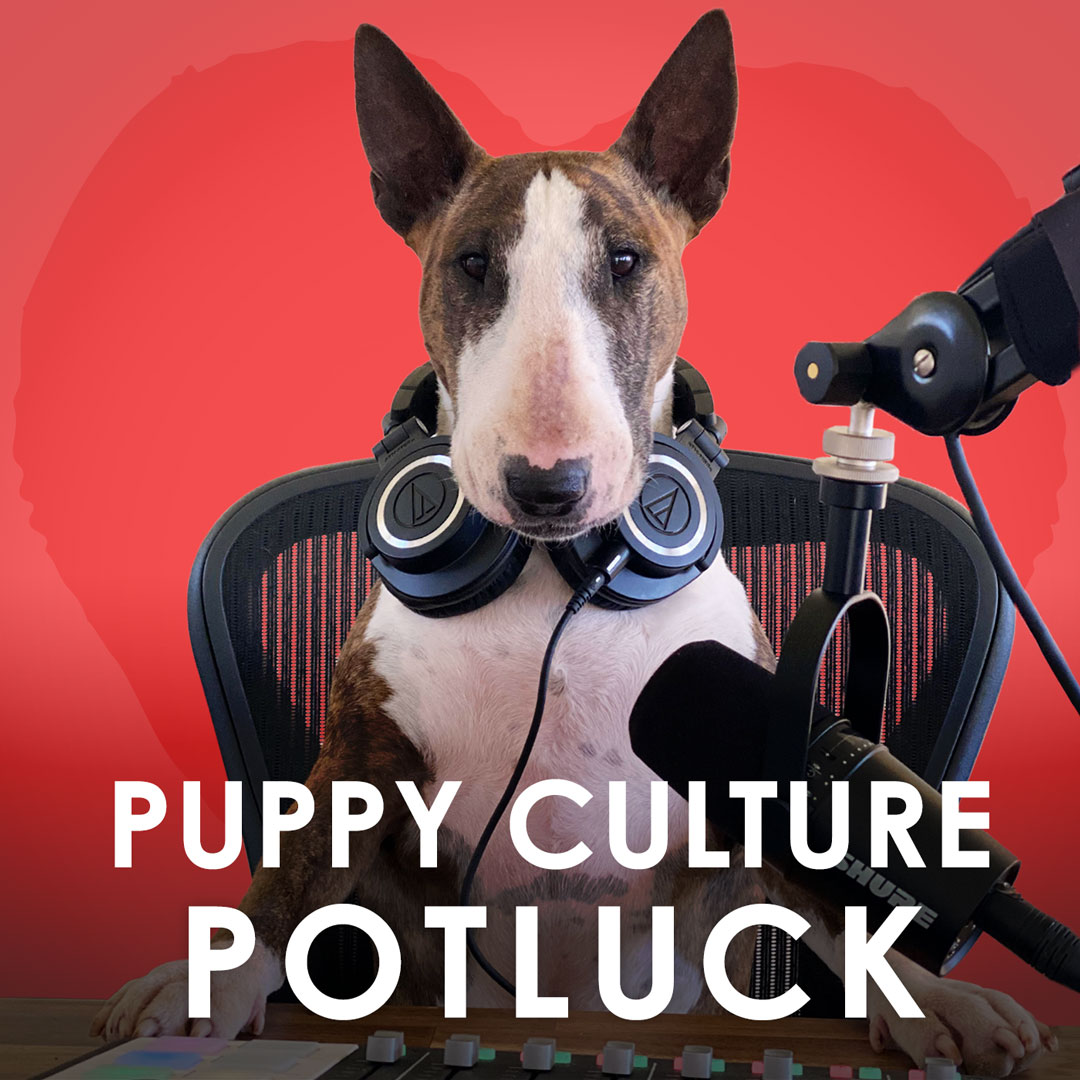
Puppy Culture Potluck Series

You bring the topics, we bring the discussion.
No time to read our Puppy Culture Discussion group every day? No problem! Now you can get highlights of the discussion group in podcast format.
I’m going to be grabbing questions from the discussion group that sparked interesting discussion and talk about them on air.
Who knows, some guests may drop in as well…

Episode 13 - Canine Nutrition Potpourri with Magda Chiarella

2/21/2024

0 Comments

 
Picture
Magda Chiarella joins me for this week’s podcast and, if Magda is here, you know we’ll be talking about canine nutrition! This week’s question generated a lot of interesting comments that we discuss in the podcast:

"Hi I found a recipe for a dog Slushy for pregnant females. Its ingredients are baby kale, baby Spinach, coconut water and flaxseed meal.

All ingredients according to Google are safe but kale. Says new studies show it can cause kidney and bladder stones.

​Any advice please? I'd love to supplement this to my pregnant girls but if the kale thing is a fact I’ll take it out of the list."
In this episode, we discuss:
  • ‌Does kale cause kidney and bladder stones in dogs?
  • Is flax seed meal a phytoestrogen to be avoided by breeding animals?
  • Should those who feed kibble be offering different formulas to their intact and neutered animals?
  • Can flax seed meal cause cyanide poisoning?
​Listen wherever you get your podcasts, and subscribe so you never miss an episode!
PodBean Apple podcasts Spotify Google podcasts iheart Amazon Music TuneIn playerFM listen notes samsung podchaser
To read the transcript for this episode, click the link below.
EPISODE 13 - TRANSCRIPT
Jane
I'm Jane Messineo Lindquist, and this is a Puppy Culture potluck podcast. You bring the topics, we bring the conversation.

Today I'm joined by my good friend and fellow dog breeder, Magda Chiarella of Dig-n-Pop Norwich Terriers. Welcome, Magda.

Magda
Hi, Jane.

Jane
Thank you for coming.

Magda
Well, thanks. for having me.

Jane
So if Magda is here, you know, it's got to be in nutrition conversation, right? Because Magda is the person that is, I would say, obsessed with learning about nutrition. And whenever I have a question, I ask Magda.

So before I read the question, I just want to position it a little bit in that the question is about the folate shake recipe that Magda has that you can find this recipe if you go to Madcap University. I have an article under Free Resources and it's called Folate for Brood Bitches, and we have a link to the recipe there.

Jane
Okay, so we're not really going to talk about the recipe, but I'm just going to position it by saying the recipe is a way to supplement folate for pregnant bitches to prevent midline closure defects. Basically, some, some midline closure, closure defects, which is that's another podcast. Okay. But this is specifically about that recipe.

And it generated some really good conversation around the ingredients that I want to bring Magda here today to talk to you about. So here's the question.

I found a recipe for dog slushie for pregnant females. Its ingredients are baby kale, baby spinach, coconut water and flaxseed meal.

All ingredients, according to Google, are safe except for kale. Google says new studies show it can cause kidney and bladder stones. Any advice? I'd love to supplement this to my pregnant girls, but if the kale thing is a fact, I'll take it out of the list. I would love to know some input. Oh, yes. And this is a Puppy Culture recipe.

Well, it's a it's a Magda recipe that we put up on Puppy Culture. So.

Magda
Well, I'll be happy to answer.

Jane
Okay. Yeah. Let's talk about the kale.

Magda
I would like to very briefly put it in context.

Jane
Okay.

Magda
That particular recipe is part of a rotation of recipes that I use in a specific time in gestation when having an additional bioavailable folate, which is B-6 vitamin in natural form, is very beneficial for the pregnant dog. So it's not fed instead of ...

Jane
It’s not a sustenance recipe ...

Magda
It’s a sustenance, it's in addition to it's just like a little health pill. So it's an add on. It's fed in rotation with other things. It's not every meal. It's not day in and out. It's not for a prolonged period of time. So I have to answer this from that context. I do not know how bad kale can effect a dog fed in great quantities over a long period of time.

And whether that can contribute to some, you know, already genetically predisposed dogs to have stones. I just don't know that. I know that that link exists and I know that the quantity that this particular recipe asks for absolutely are safe. And you cannot even if you tried to create stones just with that quantity, you will not be able to, so a healthy dog that is pregnant would benefit from it.

And I am not concerned about that link of certain compounds possibly contributing to formation of stones in individuals that already have that predisposition.

Jane
Yeah, I mean, I think it's like a lot of things that if you gave the dog a bale of kale, I mean, probably, yeah, not so great, but it's not like raisins or chocolate that, yeah, the dogs can get sick.

Magda
It’s not like that at all. And it is a superfood. It is an incredibly nutritious plant food. I am here specifically using it for its folate content, but it's accompanied by so many other vitamins and so many other minerals. It's really this amazing

Jane
It’s a health punch

Magda
Right? And baby kale is not the same as hard stem to kale.

Jane
Oh, okay.

Magda
Baby kale has more nutrition per weight. And most of those oxalate and components that you want to avoid, even.

Jane
When it comes to stones.

Magda
When it comes to stone, they tend to be in the stems in these wooded, you know, more wooded stems of.

Jane
Which the baby kale doesn't have.

Magda
Right. So baby kale is, first of all, already not as much of a concern. And secondly, it's in the amounts that, yeah.

Jane
It's not as much. And I think I think you do mention that if you are going to give regular kale to strip the take out the ribs

Magda
Take out the ribs.

Jane
Right. Yeah. And even I mean probably it would be fine to leave the ribs, but it's just an abundance of caution.

Magda
And I will say that I specifically like to use substitutions and offer options. So I say baby kale or spinach. And I found that some of my pregnant dogs prefer one over the other. And then I listen to them.

Jane
I always use both. I mix it up. That was that was the OG recipe, Magda was both. So I go with that and they like it. So. Okay. I think we cleared up the kidney and bladder stones. We cleared that up. So now let's move on to the flaxseed meal because people had a lot to say about that. Somebody pointed out flax is also a phytoestrogen.

I won't even use dog foods that include this as an ingredient with any of my adult dogs that will be bred eventually.

Magda
I applaud you on being aware of the link between phytoestrogens and hormonal receptors within the body of a dog. It is important to avoid phytoestrogenic foods for our breeding animals, but when we say that we mean a specific type of phytoestrogens, we warn against isoflavonoids.

Jane
Okay.

Magda
These are basically legumes, chickpeas, peas, soy. And when you look at the ingredient list or some of the kibble products, you might see seven, eight mentions of different legumes. They are so broken down. So, so they are not as apparent to us, but they might be listed as pea next to pea meal. It's really pretty big problem. However, when we're talking about flax meal or flax seed, we are talking about phytoestrogens that are termed lignans and lignans are forming a different subcategory of phytoestrogens that actually have very different effect on the body.

They do not affect the same receptors and they also have been studied for beneficial effect on reproductive health and beneficial effects, specifically in dogs and cats.

Jane
Oh, interesting. So, so flaxseed is good.

Magda
So flaxseed is actually a good thing.

Jane
Now, I just want to also back up because she, she mentions that she wouldn't use dog foods that include phytoestrogens in any of her adult dogs that will be bred eventually. Is there a difference whether they're going to be.

Magda
But there is.

Jane
Oh

Magda
There is a difference because such a huge population of dogs in the United States are spayed or neutered that manufacturers of dog food have understood and recognized that it is a good thing to deliver some supplemental estrogen. And there is estrogenic workings of legumes that is positive on the dogs that don't have reproductive organs to produce the hormones.

Jane
So I just I want to back up here and make sure I have this straight and I'm going to back chain number one. We know now that there are two different kinds, at least there's three, but two different kinds of phytoestrogens that we're dealing with. There's Isoflavones and there's

Magda
lignans

Jane
lignans. Okay. The Isoflavones are the things that are in like chickpeas and stuff like that and, you know, legumes.

And those are the ones that are going to interfere with the endocrine system of an animal that is intact and breeding and could interfere with reproductive capacity.

But and I'm just going to like go on this for a minute because this is news to me. It never occurred to me that a dog that doesn't have their reproductive hormones would actually benefit from that. Like, is there an outside limit to how much they should have? Or.

Magda
I don't think that has been studied well, but there are papers and there is a research that shows beneficial effect of soy and legume based dog food on hormones in desexed animals.

Jane
Wow, that's amazing. So if you are a dog food feeder, I mean, a kibble feeder, it really behooves you probably to be feeding your neutered animals and your under animals different foods.

Magda
Absolutely.

Jane
Wow, That's crazy. Okay. So I learned something today. Okay. Before I move on to the next thing, I am just going to throw out here that we're not going to talk about, you know, the grain free taurine and, you know, the dilated cardiomyopathy thing. That's a whole different

Magda
to do with proteins.

Jane
Has to do with a completely different thing. Right so I know some people are going to be like, oh, you know, pea meal. It's a grain free. No, but, you know, that's another podcast. So we're not going to talk about that.

Magda
But to sum up flax seed lignans, legumes, isoflavones oats. So very different.

Jane
Very different. Okay, so we don't have to worry about the flax seed. But wait, we're not done because somebody else has said;

Flaxseed meal can lead to cyanide poisoning. The amounts are moderate. A tablespoon of higher cyanide flaxseed meal at once can cause negative effects in adult humans, and a third of a teaspoon is dangerous for toddlers.

The effects of long term low dose exposure hasn't been studied. If you are going to change an ingredient. I changed the flaxseed meal personally.

Magda
Cyanide is an issue, especially for humans.

Jane
Okay.

Magda
And it's a little bit counterintuitive. And something that surprised me the first time that I was looking into it. But humans are ten times more susceptible to cyanide being at the toxicity threshold where the body reacts to it than dogs. And actually a lot of other mammals, when they were studying it on rats and mice, they saw the same thing.

A little mouse can deal with much more cyanide than a human. So first of all, yes, human toddlers have been studied for toxicity of cyanide compounds like the ones within the flaxseed. However, another thing that we now know, and it's actually very new study that just came out last year, and that is that adult human body and also most mammals is able to detoxify cyanide components within its own body. So the toxicity threshold is much, much higher than we previously thought.

Jane
Yeah. I mean, people have been eating flaxseed meal forever and you'd think that we'd be dropping like flies or you'd hear about it. So.

Magda
Well, there was some concern with the fact that we now started crushing the seeds and selling flax seeds as flax meal, which released all those wonderful beneficial ingredients locked within the seed. But alongside this there was a cyanide as well. So there's cyanide was all of a sudden in the news because it was something that people were noticing toxicity in babies.

Jane
Okay, so to sum it up, number one, it's a limited amount, a flaxseed meal given for a limited amount of time to an animal that has ten times the capacity for handling whatever cyanide is in it. So

Magda
and the animal that's an adult. And now we know that it pretty much can detoxify it naturally.

Jane
Okay.

Magda
After digesting it.

Jane
I mean, listen, it's not you know, it's not to say if your dog got into a bag of flaxseed meal and ate the whole thing, that it might not get sick or there might be the odd dog that has a problem. But I mean, it could be.

Magda
A teaspoon in a shake that you

Jane
I think I put like a tablespoon and it lasts like two weeks. Yeah.

Magda
A teaspoon. And, you know, for a couple of days. Yes. Yeah.

Jane
So mine, I feed even less so. There you go. Okay. I'm then somebody asked about flax oil for horses. And I know you're not a horse expert, but you did say that they take cyanide out of oil. Flaxseed oil?

Magda
Flaxseed oil does not have cyanide. Just the process of extracting oil. Yes.

Jane
So why don't we just give flax oil instead of flax?

Magda
We could give flax flaxseed oil. And, you know, it's something to absolutely add to two dog's main meals. And that's something I'm in favor of. It's just specifically for that recipe.

Jane
There's more benefits to the meal.

Magda
I was using it as a as a thickener and just a different. I don't think that flaxseed oil is as palatable to dogs, you know, if it's not alongside meats.

Jane
Interesting.

Magda
There is a product on the market, thats meal, that is already free of cyanide. But the process of getting cyanide out, it's a steaming process also kills enzymes. And some of these vitamins are just, you know, affected by it as well.

Jane
So then somebody else wrote:

Whole seeds aren't as much as a concern because being so small, they tend not to be crushed when eaten and the cyanide causing component stays within the seed.

Magda
That is very true.

Jane
Except then you also don't get the benefits right. You know.

Magda
So it's that you know the other side down the flipside of crushing seeds. You release all the good stuff and you are also releasing the tiny amount of cyanide.

Jane
Gotcha. Oh, here's the next one. Pesticides on produce like this is my concern. Get organic.

Magda
That's my concern, too. Yes, get organic.

Jane
All of our concern, which is another reason to use the baby. Right. The baby kale. The baby spinach, because I think it's always organic. They don't really spray the tiny ones, do they?

Magda
I don't think so.

Jane
I don't think they do at all. Oh, all right. We're moving on to spinach, Magda. Now, this person says

Jane
Spinach limits the absorption of calcium.

Magda
Oh, that's an interesting question. Spinach is a very a calcium rich food. Spinach is often quoted as one of the most calcium rich plant derived foods. However, because oxalate is also contained within spinach oxalate prevents absorption of calcium. So although you will see that sometimes in lab reports, it is shown that calcium amount within the spinach is just tremendous.

The actual available calcium within the spinach is diminished by the fact that oxalate blocks absorption. So it's true that there is a component of spinach blocking calcium absorption from within spinach and small percentage is is of that calcium is available to us. It's still a positively calcium rich food.

Jane
So in other words, it doesn't block like if you eat spinach and a piece of liver, it's not going to block the calcium or or an egg or whatever has milk.

Magda
On on the balance, be a calcium plus thing to to have.

Jane
Interesting. Okay. Well, there you go. Okay. So I'm going to read this last comment, which is from a woman who's a doctor up in Canada who's always has something good to say, and this is no exception.

The popularity of kale is pretty recent. And if these truly are new studies, it's possible that there is a low level risk that has only become apparent as more dogs are exposed.

It is also possible that the risk is not uniform across all breeds of dogs. It could be that the determining factor is whether the dog in question is already predisposed to stones and kale increases that risk. If the article you found has references, it would be important to take a careful look at those and see what the risk actually is.

Lots of things get set on Google that have a pretty weak foundation, so if it isn't a peer reviewed scientific paper, my first step is always to try and dig out where the statement came from. When it comes to canine health, it's amazing how many confident assertions are completely unfounded.

Magda
I agree with all of it, and especially especially with looking at every dog as an individual and recognizing that breed differences are not only external. That breed, different differences are for sure internal as well. So you will have some breeds predisposed to stones, while others might not be to the same degree. And definitely individuals.

Jane
Right. And even again, you're not we're not going to talk about the whole midline closure defect folate supplementation, because, again, we'll do that another time. But, you know, if there's not a uniform risk over breeds of this, there's not a uniform need for this food over breeds. And, you know, some might need more than others. And I guess, you know, all I really wanted to do today was kind of separate the wheat from the chaff a bit with some of these things and, you know, just get to the bottom of a couple common questions that come up all the time on the boards. And I think

Magda
And I love the questions because they show scrutiny of those things that we put up there. I like hearing questions because they make me think sometimes, you know, did I make a mistake or not? And I do that too, because I'm always seeing in the corner of my eyes every headline about nutrition. And I rush to dive deep into it immediately.

And, you know, sometimes I change my mind or sometimes I discover there is something new. So that that is a very important thing for us to constantly reevaluate. Is it right what we are doing, how we are feeding our dogs. But I am confident about that recipe.

Jane
Yeah, that's great. To your point, I think that when you put out a recipe like this and then people ask these questions, it also makes you a better teacher because like, oh, you know, I have to explain that. It's that old thing. Give someone directions how to make a peanut butter and jelly sandwich and, you know, how many ways could it go wrong?

Yeah. So thank you very much, you guys, for those really great comments and questions. Yeah. And thank you Magda for coming and helping us.

Magda
Thanks Jane. Always fun.

Jane
If you like this podcast, you'll love our puppy course available at madcapuniversity.com. Breeders, we have a course for you too at madcapuniversity.com. And if you're interested in sending home a copy of our puppy course with your puppy owners, we offer a nice breeder discount on four or more copies of the course.

Jane
Well, that's it for this time. Thanks for listening. Bye bye.

​​​​​​​Referenced Courses and Titles

Picture
ENROLL NOW
Picture
ENROLL NOW
Picture
BUY NOW

Further reading and citations to the referenced studies and finding

Folate for Brood Bitches To Help Prevent Cleft Palate​​​ - Madcap University
​Jane Messineo Lindquist (Aug 2019)
0 Comments

Your comment will be posted after it is approved.


Leave a Reply.

    Picture

    Author

    Jane Messineo Lindquist (Killion) is the director of "Puppy Culture the Powerful First Twelve Weeks That Can Shape Your Puppies' Future" as well as the author of "When Pigs Fly: Training Success With Impossible Dogs" and founder of Madcap University.

    Jane has had Bull Terriers since 1982 and she and her husband, Mark Lindquist, breed Bull Terriers under the Madcap kennel name.

    Her interests include dog shows, dog agility, gardening, and any cocktail that involves an infused simple syrup.

    Archives

    November 2025
    October 2025
    September 2025
    March 2025
    February 2025
    December 2024
    November 2024
    October 2024
    September 2024
    July 2024
    June 2024
    May 2024
    March 2024
    February 2024
    January 2024
    December 2023
    November 2023

    Categories

    All
    Puppy Culture Potluck Series

Picture

Quick Links

Privacy Policy
Cookie Policy
​Refunds and Returns
Terms of Service

Get In Touch

Keep Informed
Affiliate Partner Program
About Madcap Radio 

Madcap University Press
© Madcap University Press, LLC, All rights reserved.
Follow
Facebook Instagram Podcasts
Madcap University App
Madcap University App on Apple store Madcap App on Android store
  • Home
  • Puppy Culture Potluck Podcast
  • Other Podcasts
  • About Madcap Radio
    • Our Founder, Jane